Context
Period
2022 – 2023, Full time
Role
Lead Product Designer
Platform
iOS, Android, Web
Industry
Mobility, B2С, B2B
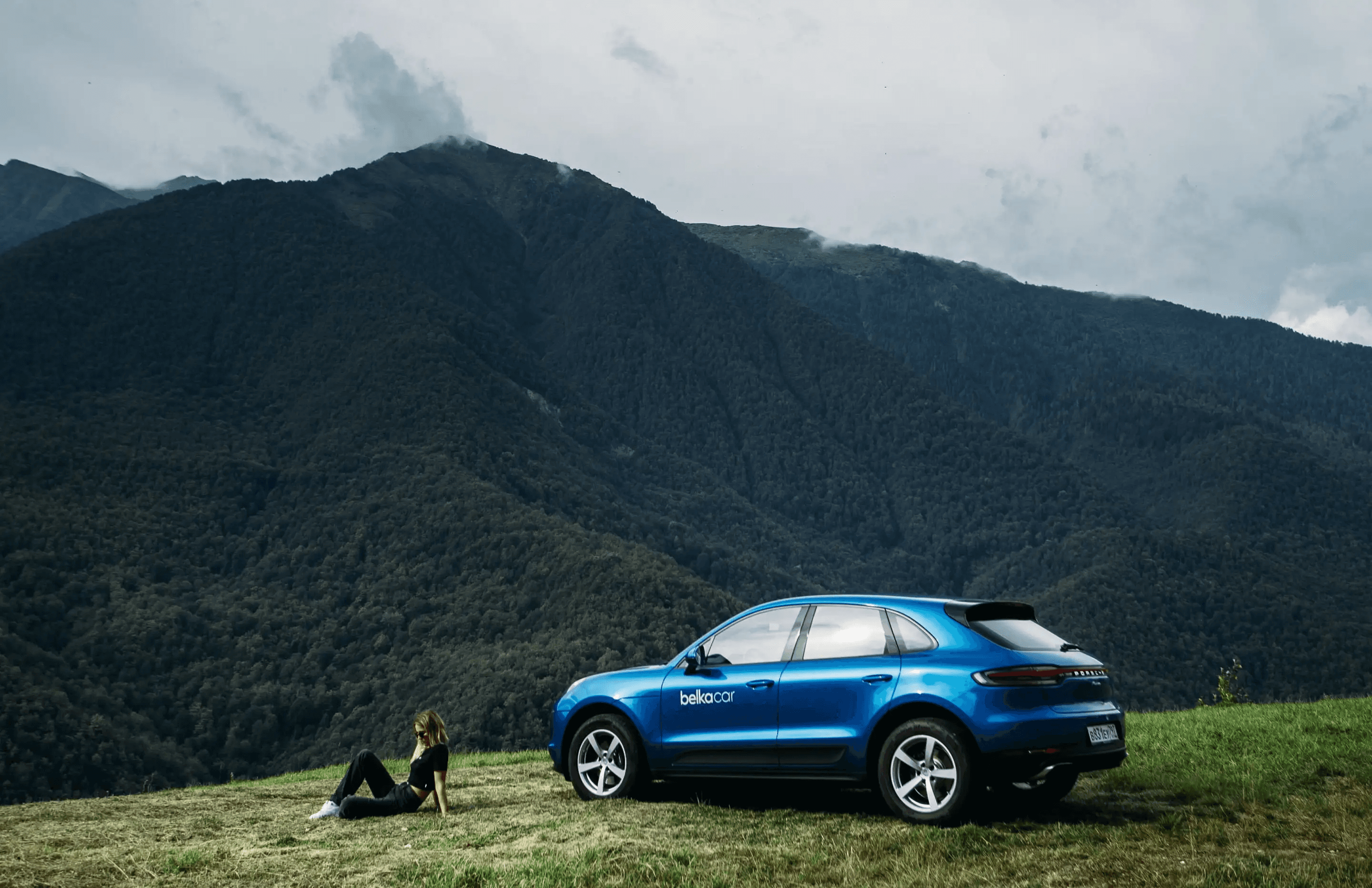
Belkacar is a prominent mobile app-based car rental service in Russia. With a sprawling fleet of over 6,000 cars across six cities, we've carved a significant niche in one of the world's most dynamic carsharing markets.
The carsharing arena in Moscow is fiercely competitive, boasting a staggering 20,000+ per-minute rental cars. Despite entering a mature, profitable market, the ultimate challenge was to sustain growth, retain existing customers, and attract new ones.
As the Lead Product Designer, I was solely responsible for designing the main application for both iOS and Android platforms. While I had colleagues focusing on other parts of the product like the B2B app and admin panel, my domain was the consumer-facing application. My role extended beyond just making things look good; it involved leading a team and shaping the entire design culture within the company. I identified areas where we needed more expertise and hired skilled designers to make our workflow even more efficient.
Use case
While working on the product, I designed many features that either made or saved money for the business. But today, I want to focus on a small project that I proposed. This project ended up benefiting both our company and our users.
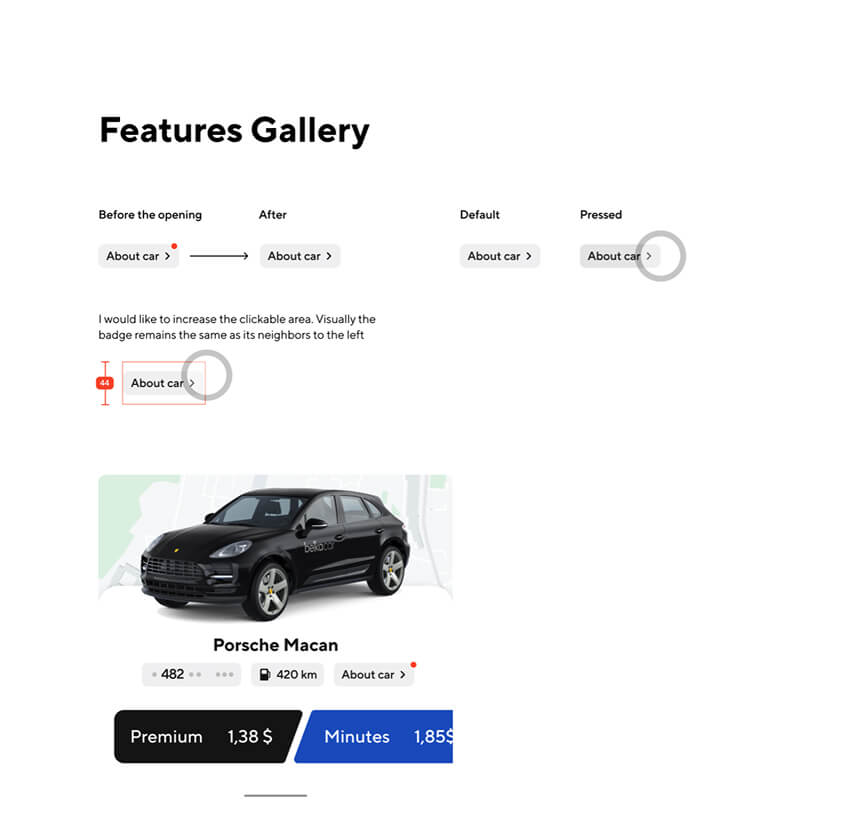
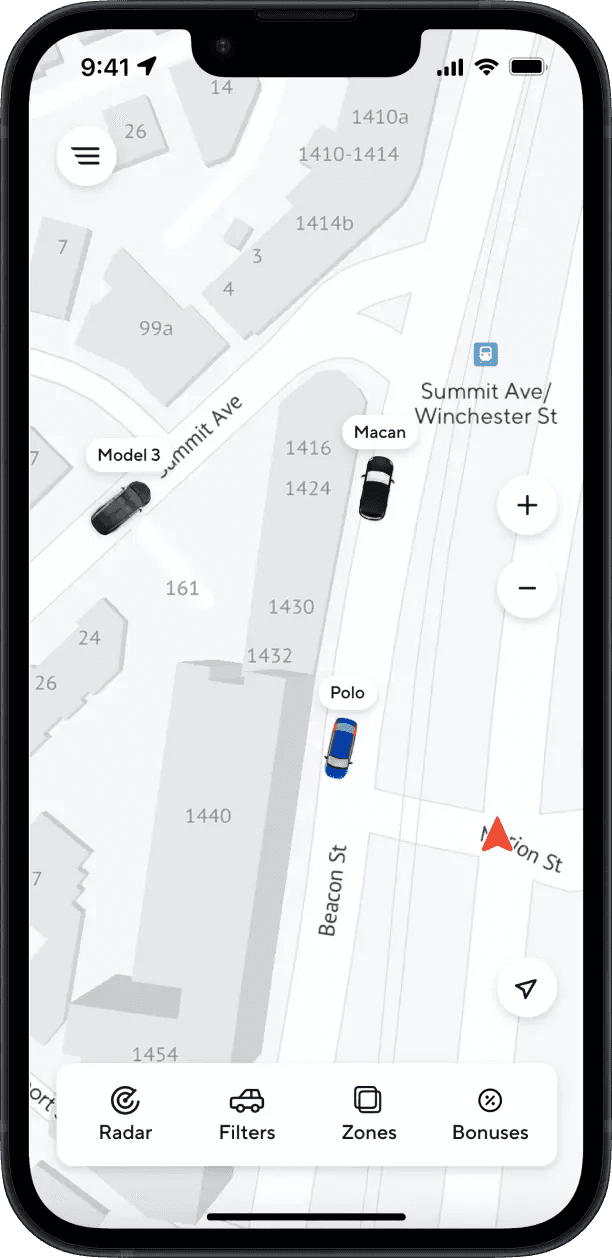
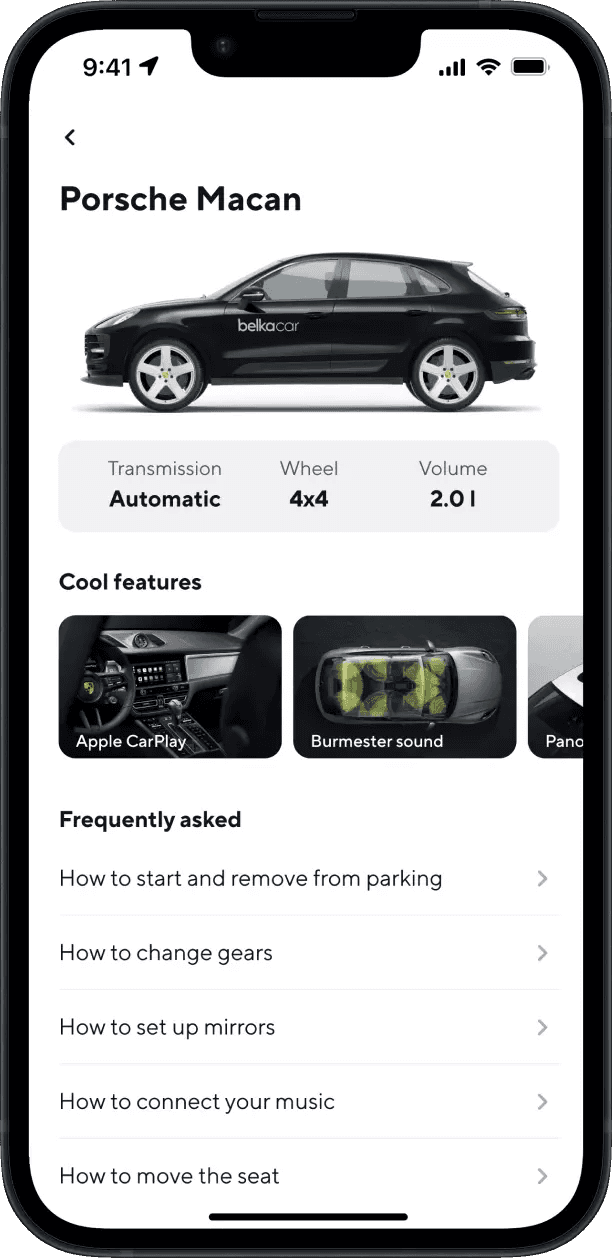
The Porsche Macan and Tesla were popular additions, yet many hesitated to rent them. As a user of car-sharing services myself, I understood the reluctance. Porsche and Tesla, being premium and electric, come with a set of features that intimidate the average user. Even those brave enough to rent often found themselves struggling with basic functions. Actions like opening the trunk or switching on the lights wasted valuable rental time.
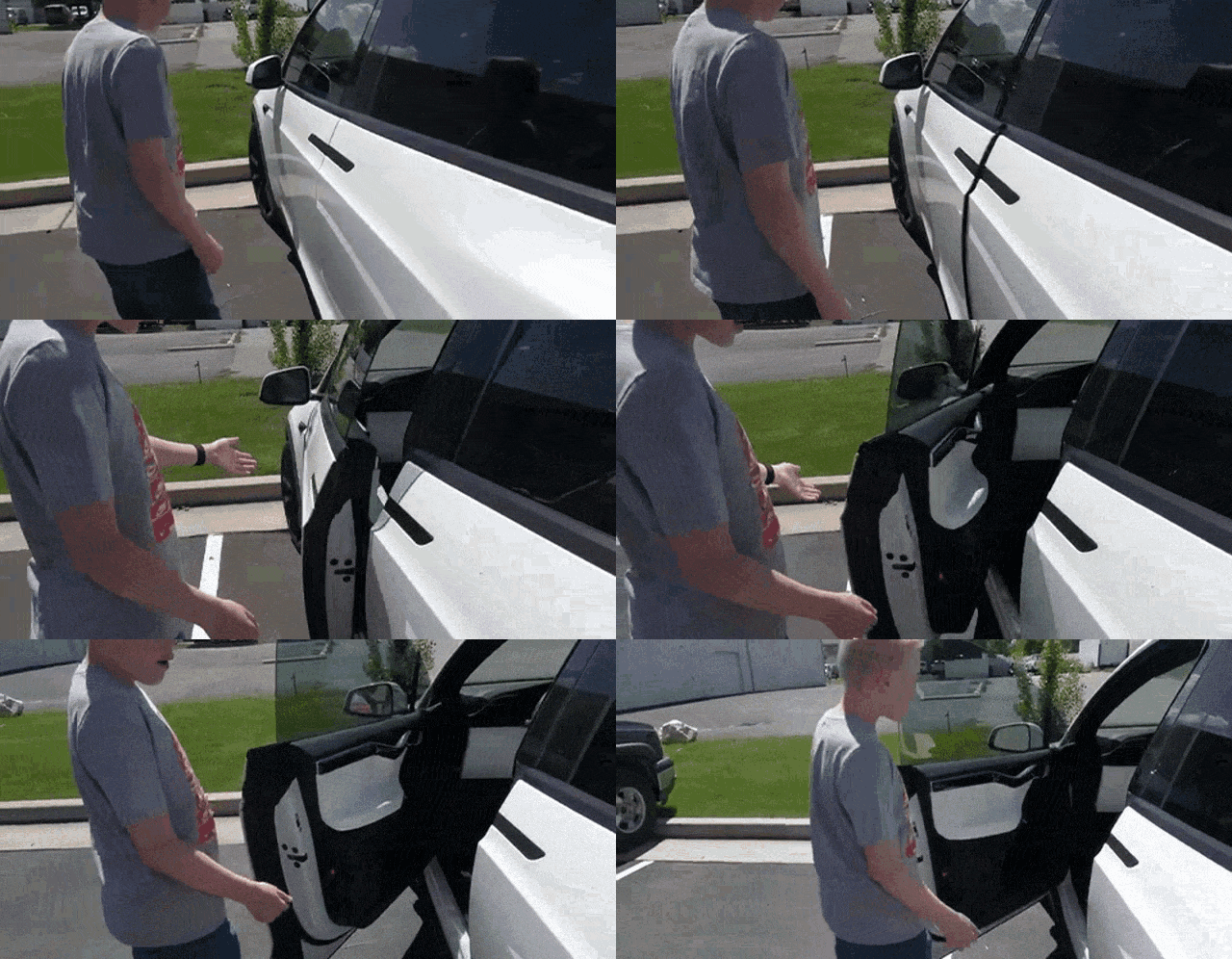
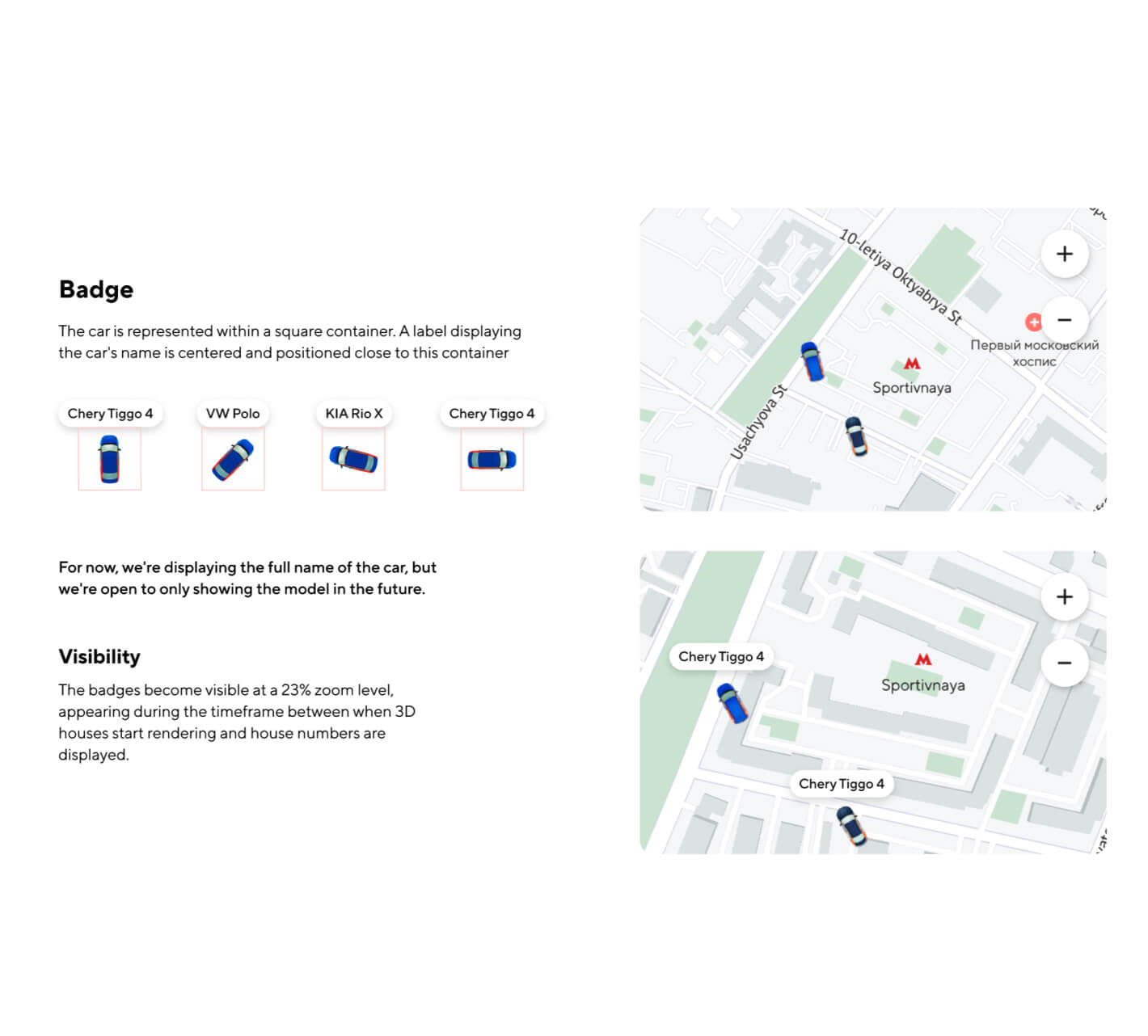
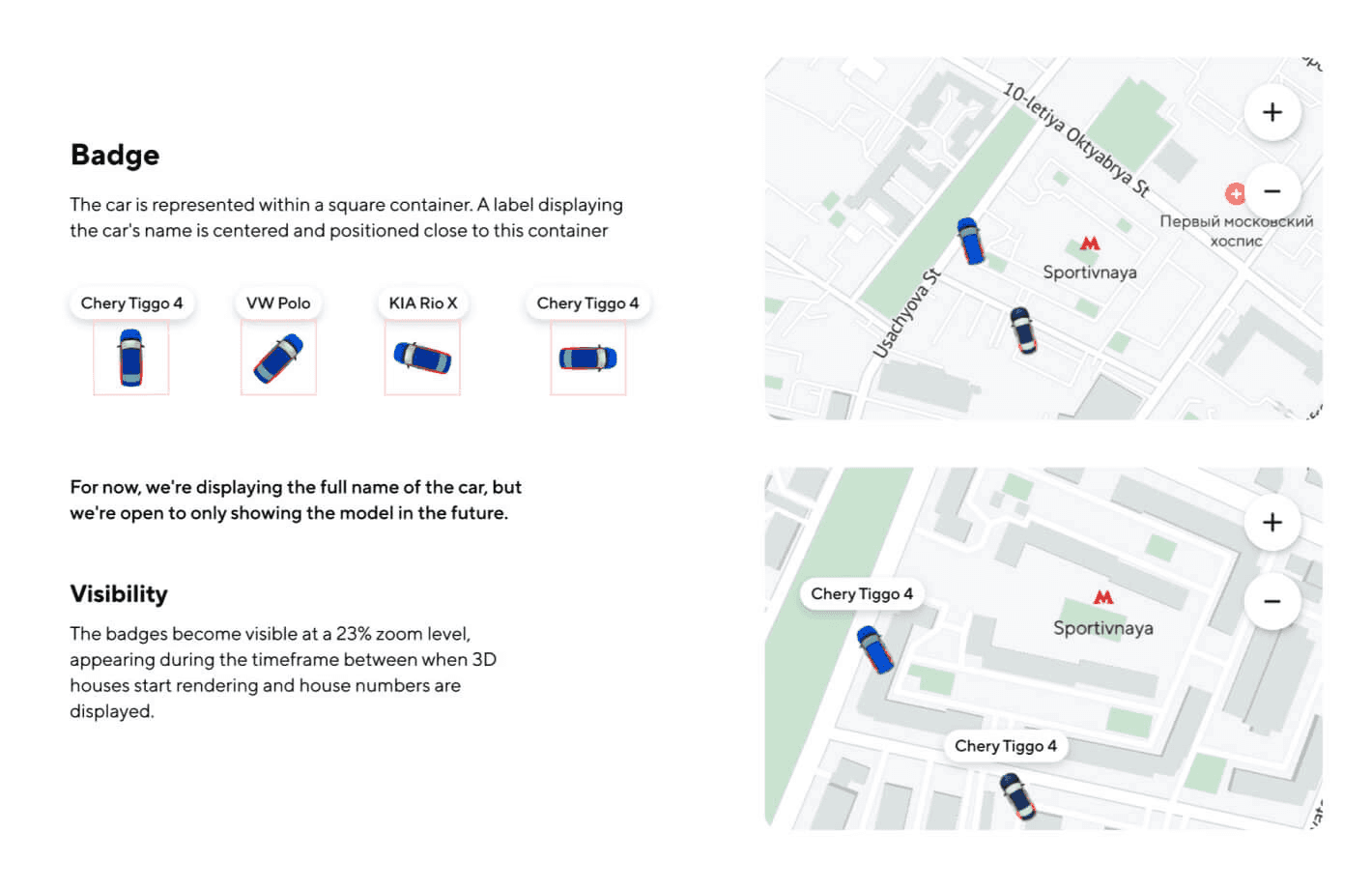
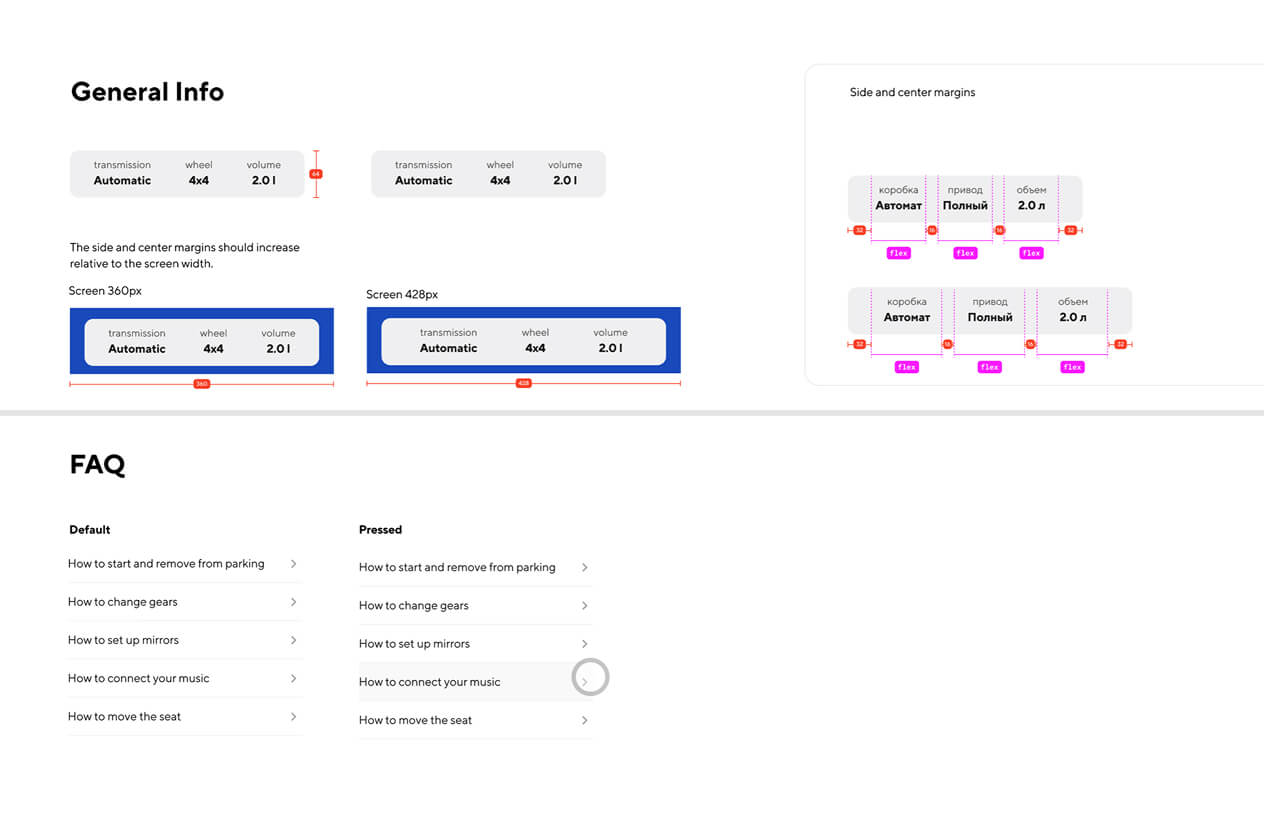
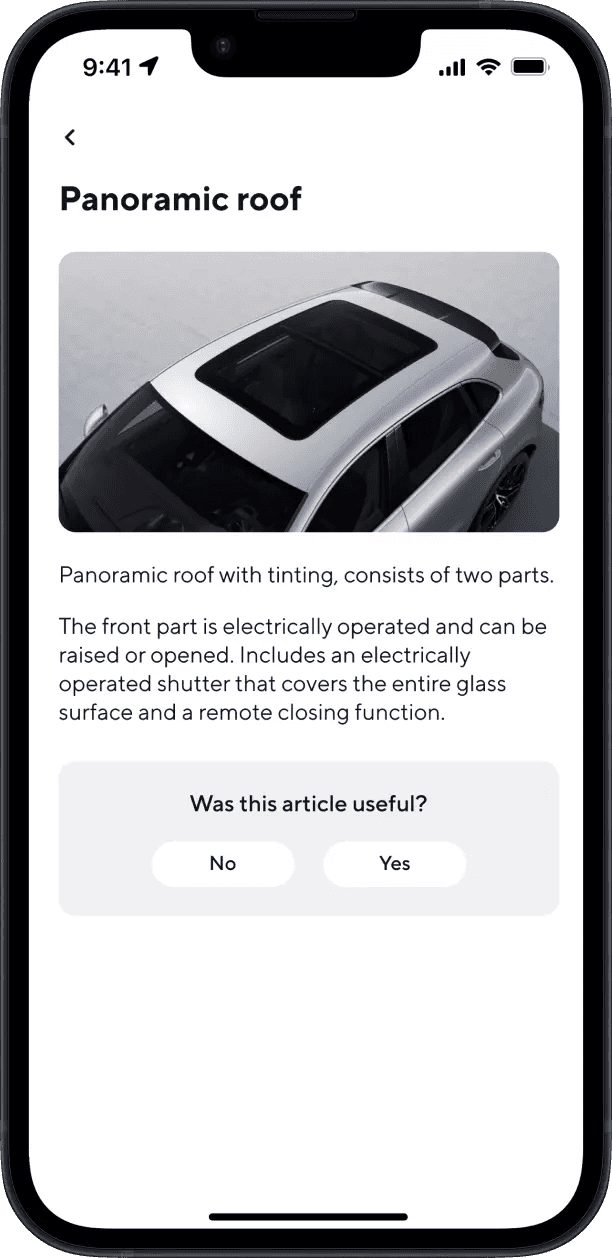
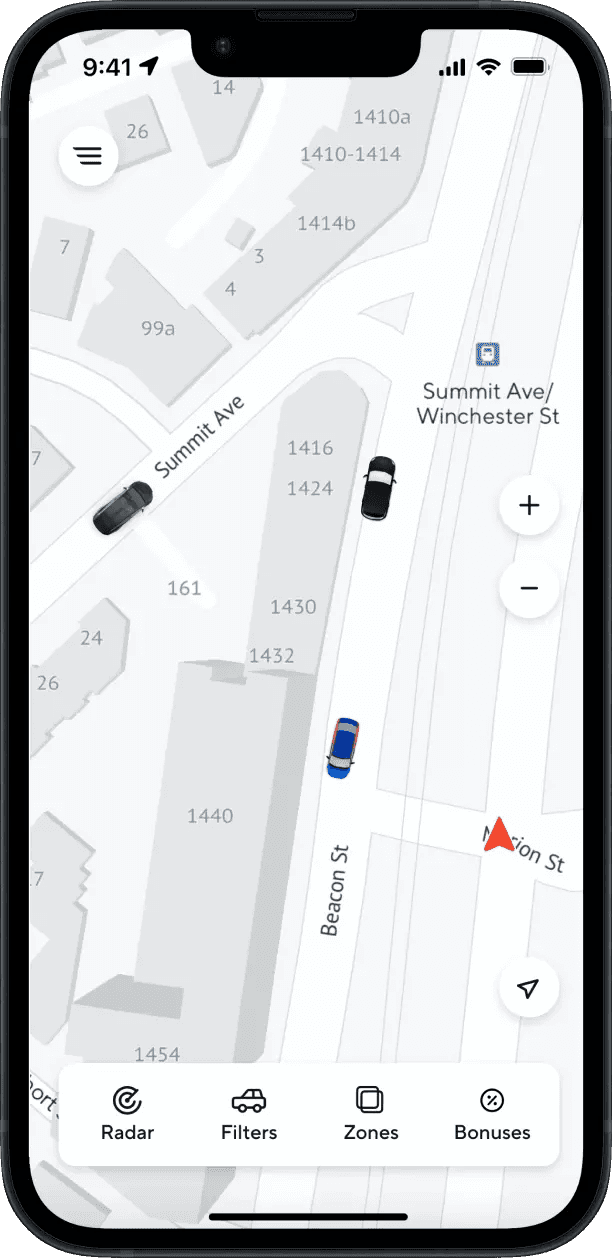
I had an idea: why not to put a simple guide in the app to walk people through Macan's key features? This would make users more comfortable renting premium cars and also take some weight off our customer service team. Plus, I thought adding a car badge on the map would help users make a decision more quickly.

After identifying the problem, I immediately moved into research mode. I created a prototype that encapsulated my solution and presented it to our CPO and Product Manager. To my delight, my vision resonated perfectly with theirs, giving the green light to proceed.
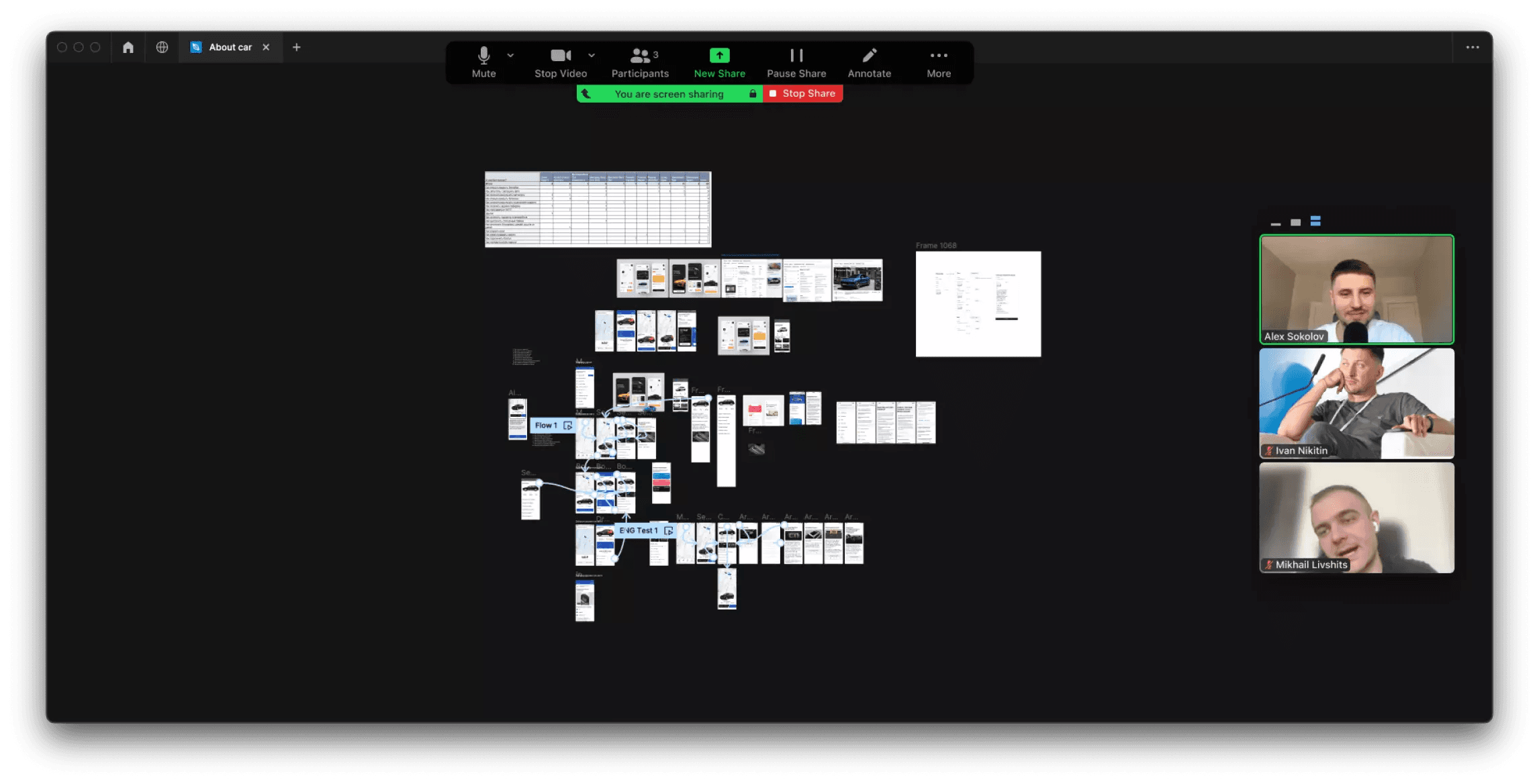
During a fast-paced design sprint, I iterated through different design alternatives and put them to the test with real users.